Sunday, May 21, 2023

3D Printed Organs - 3D Printed Organ Replacement ‘The Next Big Thing’

3D Printed Organs  - 3D Printed Organ Replacement ‘The Next Big Thing’


3d printed organs


The human body contains over 300 different organs that work together to make our existence possible. In order to live long enough to reproduce, we need to eat, drink, breathe, sleep, and digest food. All these processes require energy to function. Without sufficient energy, the body cannot sustain itself. When a person dies, their body stops providing energy to the cells that keep us alive. But what happens to those cells? What becomes of our bodies after death?

In today’s world where medical technology has become highly advanced, many people have questioned whether they will continue to exist after death. As humans, we all want to know if there is any afterlife for us, what it means, and how much time we have left before we die. If we do not know the answers to these questions, then we may feel hopeless about the future. However, science has shown that our physical body does not cease being active once it dies. Our brain continues to operate even after our heart stops beating.

Many scientists believe that our consciousness lives on, just waiting to move onto a new body. Others say that our consciousness merges with universal consciousness. Whatever the truth may be, we still have hope for survival. Many religions teach that we will be resurrected at some point in the future. Scientists are now studying how to prolong the lifespan of animals to increase the chances of finding out the answer.

As we delve deeper into the world of 3D printing, we find that this technology is constantly evolving. From printers that help you build things to printers that give you access to drugs, everything in the world of 3D-printing seems to be getting better. Researchers around the globe are working tirelessly to advance this field. More research is being conducted on how to effectively use 3D printing to preserve organs and other parts of the human body.

organs have been successfully created using 3D printers. Scientists are able to print each part of the human anatomy. The kidneys, lungs, liver, and other organs can be printed separately and assembled into the whole body. Once completed, researchers can study how well these organs perform. If successful, they might be able to save the lives of thousands of children who currently lack kidneys.

3D-printed organs

Israeli scientists have developed a method for printing human livers using stem cells and bioinks. The team at Tel Aviv University's Ben Gurion University School of Medicine recently announced success in using a bioprinter to print fully functional liver tissue in mice and rats after just three weeks. The research was publishing in Science Translational Medicine.

The team says they were able to produce liver tissue that consists of both hepatocytes --the liver cells that cleanse toxins--and non-parenchymal cells, which include blood vessels, nerves, and bile ducts. In addition to being more lifelike than existing methods, the researchers say their technique could provide surgeons with a way to produce personalised parts for patients whose bodies cannot accept donated organs.

3D-printed implants


3D-printed implants


Another Israeli team has created an artificial bone implant that can repair broken bones without any need for surgery. Researchers from Hebrew University-Hadassah Medical Centre used a 3D printer to create a porous polymer scaffold infused with mineralized nanofibers. The material mimics cartilage and bone, making it ideal for repairing damaged joints.

In order to make sure the implant would fuse with the body after insertion, the team injected the scaffold with osteoinductive molecules called peptides. Previous studies have shown these molecules help encourage the formation of natural bone.

Researchers hope their invention could revolutionise orthopaedic medicine, potentially treating conditions including arthritis, injuries sustained in car accidents, sports injuries, and even deformities caused by birth defects.

3D-printed hearts

Scientists at the Weizmann Institute of Science in Israel may soon be able to use 3D printers to build human hearts for transplantation. Scientists led by Dr. Galit Lahav have been working on 3D printing liver cells and transplanting them into animals. Their latest experiment involved printing stem cells that differentiate into heart muscle cells. Afterward, the heart muscle grew and began beating. If successful, the goal would be to create a fully functioning organ through a combination of printing and testing.

Dr. Lahav predicts that once doctors have worked out how to best culture human stem cells, they'll be ready to start printing entire organs, including the lungs, kidneys, intestines, and livers. She added that she expects the technology to eventually allow people to replace missing organs with synthetic versions.

But that hasn’t stopped a few countries from doing this already! Here is a list of the top 5 countries that use 3D printed organs.

China

China is one of the first countries to implement 3D printing in the medical field. If you take a look at the hospital system in China, you will find that every single doctor possesses a 3D printer in order to print replacement parts for patients. In fact, the hospitals in Beijing alone employ over 1 million 3D printers! Not only do they use 3D printers to produce replacement limbs, but they also use them for producing pacemakers, artificial hearts, and even ear implants.

South Korea

South Korean scientists are currently working on creating an entire body made out of plastic and metal, but there is still a long way to go before this becomes reality. However, they have created bionic arms and legs that can move on their own and restore sight to blind people using bionic eyes. Their goal right now is to completely replace the human organs using the 3D printed replica method and then implant them into the body.

France

In 2016, French doctors successfully performed the first full face transplant using a 3D printed head. It took them three months to completely assemble the face but once completed the results were amazing. Not only did the patient look like themselves again but they no longer had the need for heavy scarring on the rest of their faces. Now, the team at Grenoble university hope to replicate this success and perform a successful hand transplant soon after.

Israel

Israel wants to print organs on demand to supply the shortage of donors worldwide. They believe that this will greatly increase the number of transplants that occur each year. A lot of people may turn away from this type of research due to ethical concerns or the fear of introducing foreign objects into the human body, but Israeli researchers insist that they are well aware of these risks.

Saudi Arabia

This was perhaps the biggest surprise of the entire list. Saudi Arabia banned the use of 3D printers six years ago, but it looks like they have recently changed their minds. An article on the Arab news network Al Bawaba claims that the king of Saudi Arabia wants bioengineers to work on 3D bioprinting technology. The technology to build a 3D body part using a patient’s cells is still under development though.

How to sleep well? -Simple Tips to Get a Great Night's Rest

How to sleep well? -Simple Tips to Get a Great Night's Rest

How to sleep well


What's the secret to sleeping well? The answer might surprise you. Most experts agree that the key to good sleep lies in regulating your mind and body.

How you manage your emotions throughout the day has a direct effect on your ability to fall asleep at night. If you struggle with insomnia or anxiety, try these simple strategies to help you drift off into dreamland.

When you wake up, take some time to relax. Deep breathing exercises can help calm your nerves before bedtime. Try stretching out your legs and arms.

Sleep hygiene

Sleep hygiene refers to the practices we use before bedtime to improve our quality of sleep. These practices may include avoiding caffeine and alcohol at least 6 hours prior to bedtime, getting regular exercise, eating a balanced diet, and limiting naps.

Avoiding blue light

Blue light exposure is known to suppress melatonin production, which is responsible for regulating our circadian rhythm. Blue light is emitted from screens (TV, computer, smartphone), especially those that emit light at wavelengths between 400-500nm. Exposure to these wavelengths suppresses melatonin production, which causes us to wake up earlier than usual.

Reducing anxiety

Anxiety can disrupt sleep patterns. If you have trouble sleeping, try taking deep breaths and relaxing your body. You can also try listening to soothing music or meditating.

Getting enough rest

Getting adequate amounts of sleep is critical for maintaining good mental and physical health. Adults need about 8 hours of sleep per night. Try going to bed and waking up at the same time each day. Also avoid staying awake late at night watching TV or using electronic devices.

Using the right mattress

A comfortable mattress is important for promoting proper spinal alignment and reducing pain. A firm mattress should provide support without being uncomfortable. Use a mattress protector if you live in a cold climate.

Sleeping position

Try changing your sleep position to reduce neck and back pain. Lie on your side instead of your stomach. Place pillows under your knees and ankles to keep them elevated.

Relaxation techniques

Meditation, yoga, and massage therapy can help relax your muscles and promote relaxation.

Set up a Bedtime Routine

Are you finding that after some time away from school or work, you start to fall back into old habits? The easiest way to break bad habits and get back on track is to establish a good bedtime routine. Set aside exactly 15 minutes before going to sleep, and follow these simple steps.

Bedtime is one of those rituals that everyone loves to talk about, but few actually implement. People tend to blame busy schedules or lack of willpower for being unable to stick to their schedule. But once you’re asleep, the mind naturally slows down.

Scheduled activities have proven to improve your quality of life by helping you organize your day better, focus on priorities, and reduce stress. Once you establish a regular routine, you’ll be able to stay focused longer and get more done throughout the day.

Avoid caffeine after noon

Caffeine is widely known for its stimulating properties. It helps increase alertness, concentration and energy levels. However, too much caffeine can cause insomnia or jitteriness. As such, coffee lovers should limit their intake before bedtime.

Drinking coffee late at night may disrupt your sleeping patterns. Caffeine can stay in your system for several hours after drinking it, leading to insomnia. If you drink coffee, try limiting yourself to 6 cups a day, and avoid drinking it later than 3pm.

Create a Night Time Routine

You don’t want to miss out on anything, do you? Not even a quick night time routine before bedtime. Most people seem to forget about their sleeping habits after they get into bed. If you don’t take care of them, then they might affect your daytime performance. How else would you expect to function properly at work or school, if you are constantly tired?

Whether you are ready to go to bed or not depends on various things. For example, the quality of your sleep depends on the type of mattress you use. There are also other factors which play a role in determining whether you will fall asleep easily or not. These include your circadian rhythm, stress level, caffeine intake, and exercise. Thus, it is important to create a good nightly routine so that you can achieve a proper rest.

: Creating a perfect night time routine can be tricky. The key to falling asleep faster is to relax before going to bed. This means avoiding stressful activities such as watching TV shows or checking social media accounts. Instead, try reading a book, listening to music, or meditating to unwind your mind. Also, it is recommended that you drink plenty of water to stay hydrated, so that your body fluids remain balanced.

Reduce Stress with Meditation

Have you heard of meditation? If so, then you know it’s proven to reduce stress levels and improve overall health. Yet, meditation seems to be something that’s only practiced by a select group of individuals.

Meditation has become increasingly popular in recent years thanks to its ability to ease anxiety, stress, depression and even combat insomnia. What makes it especially useful is that it helps us to relax our body and mind simultaneously.

In conclusion, a great night's rest will give you energy, focus, and ultimately improve your health.


Secrets of the Subconscious Mind: How to Use it to change yourself & Improve your Life

Secrets of the Subconscious Mind: How to Use it to change yourself & Improve your Life

Subconscious Mind


Why You Should Pay Attention to Your Subconscious Mind

Subconscious mind is that part of our brain that controls how we function and think. Most commonly known as “the mind”, the subconscious mind doesn't have a single thought. Instead, it functions silently and automatically. When we dream consciously, it is what we call our conscious mind. Whereas, the subconscious mind goes through the cycle of thoughts without us even realising it.

Here's the thing about the subconscious mind... it only thinks in terms of positive or negative - not neutral. So if you want to change something, you need to change its subconscious beliefs. That means changing its way of thinking. If you do this right, you will be amazed at how fast you'll get results!

So what are YOU waiting for? Start living the life of your dreams!

Focus on the subconscious mind because it is a powerful tool

What is the Subconscious Mind?

When we think about our conscious mind, we tend to focus on what we are thinking about and how we are feeling at the moment. But oftentimes, even though we may not be aware of something, our subconscious does know. Our subconscious mind is the deepest level of our being. It is where all our memories exist. It is where our thoughts reside. It is where all of our emotions are stored. Most importantly, it is where our intuition resides. We cannot understand any information unless we have some knowledge of how consciousness works.

How Do You Use Your Consciousness?

Our consciousness is just the surface of understanding about how our mind works. From day to day, it's constantly working to give us feedback about everything around us. We receive information about what we are seeing, hearing, tasting, smelling, touching, experiencing, thinking, and feeling. So we're always getting feedback. And if we don't pay attention to that feedback, then our subconscious is going to take over and help us figure out things for ourselves.

How Does the Subconscious Work?

The subconscious mind uses three different types of information: sensory input, emotional responses, and intuitive thought patterns. Sensory input comes from our five senses - sight, sound, touch, taste, smell, and instinctual feelings. Emotional responses happen inside of our bodies, and they are based on past experiences and emotions. Intuitive thought patterns are created by our own beliefs and opinions. If we don't use those types of information to inform our decisions, then our subconscious mind will use them instead.

How Can You Overcome a Lack of Information About Your Consciousness?

You can overcome a lack of information about your conscious mind by having open-mindedness, compassion, curiosity, self-reflection, and introspection. Open-mindedness lets you examine your ideas from many angles, and encourages you to question your own assumptions and beliefs. Compassion helps you put yourself in someone else's shoes. Curiosity makes you want to learn more about the world and your place in it. Self-reflection helps you evaluate your personal strengths and weaknesses. Introspection gives you the opportunity to observe your own actions and emotions. When you understand these four aspects of the human experience, you will gain valuable insights into your own subconscious.

How Does a Subconscious Mind Lead to the Unconscious Mind?

A subconscious mind leads to an unconscious mind in two ways. First, the subconscious mind controls body movements. Second, the unconscious mind influences perceptions, thoughts, and dreams. Because the subconscious mind is a deeper layer of awareness than the conscious mind, it goes directly to the root cause of issues. In contrast, the conscious mind only processes information and creates rationalisations for problems. Therefore, the subconscious mind tends to lead to the unconscious mind by offering solutions that are both creative and practical. When the conscious mind is connected to the subconscious mind, we are able to access our inner wisdom and live in harmony with who we really are.

Your subconscious mind controls how you act and think every day

Subconsciously we have thought about our own minds and how they work many times before. We never give enough credit to our own brain's capability to control everything we do. Whether good or bad, we need to understand the power of the subconscious mind and use it to our advantage.

If we want to change something about ourselves, whether big or small, consciously or unconsciously we need to know how our brain works. Understanding your subconscious mind can help you make changes to yourself that last a lifetime. Our brains are constantly changing and always working hard to keep us safe and well-fed.

The subconscious mind is a powerful force that influences our behaviour and thoughts on a daily basis. We tend to forget that fact, but our brain is always active. You may not realise it, but you have been thinking without even realising it. Your subconscious mind controls how you feel and what you think every second of the day. When you are asleep at night, your subconscious mind goes back to its natural state and rests until morning. If you were to wake up tomorrow and discover that all of the decisions you made yesterday had already happened, you would probably freak out!

The conscious mind is the logical side of our brain, but the subconscious mind is emotional and instinctive. These two parts of the brain operate together all day long, and both play their role in making sure we stay alive.

Our subconscious minds decide if we eat or drink, whether we sleep or get up, and much more. The subconscious mind makes up our personality and determines how we carry ourselves throughout the day. It affects how we act and behave each day. If we want to change something, whether big or small things, we need to understand how our subconscious mind works. There is a lot of information on the internet about the subject, but here are some basic ways to start learning more about your subconscious mind:

  • Meditation - meditating helps build mental discipline and concentration. People who practice meditation often notice changes in their lives.
  • Exercise - exercise boosts mood and increases blood flow; therefore, it feeds your subconscious mind.
  • Deep breathing exercises - deep breathing calms the body and mind and reduces anxiety and stress.
  • Visualisation - visualisation is an effective way to improve your life in general. By visualising the desired outcome, you can increase the chances of achieving success.
  • Journaling - journaling is useful for reducing negative self-talk.
  • Dreams - dreams can provide insight into your subconscious mind. Most people don't remember their dreams, but writing down your dreams can help unlock the answers to questions you're having about yourself.

How to use your subconscious mind to increase your power

In order to do this, we first need to understand how our conscious and subconscious minds work. Our subconscious mind works below the level of awareness, and helps us make quick decisions automatically without thinking. It's the part of our brain that makes us who we are, and influences everything we do. It's responsible for our habits, beliefs, attitudes, emotions, and behaviors. In contrast, our conscious mind operates above the level of awareness, where we have control over our thoughts, feelings, actions, and behaviors. It's the part that thinks, feels, reasons, plans, evaluates, chooses, decides, and takes action. Together, they influence our daily lives, and determine whether we succeed or fail.

Learn More About Your Subconscious Mind's Power 

Click here


In conclusion, we are often unaware of our subconscious thoughts, but they play a big role in our lives. By learning about this aspect of the human brain, you can learn to harness its power!

Common Water Hyacinth | Water Hyacinth facts | Aagaya thamarai

Common Water Hyacinth | Water Hyacinth facts

Common Water Hyacinth | Water Hyacinth facts | Aagaya thamarai


Water Hyacinth Overview

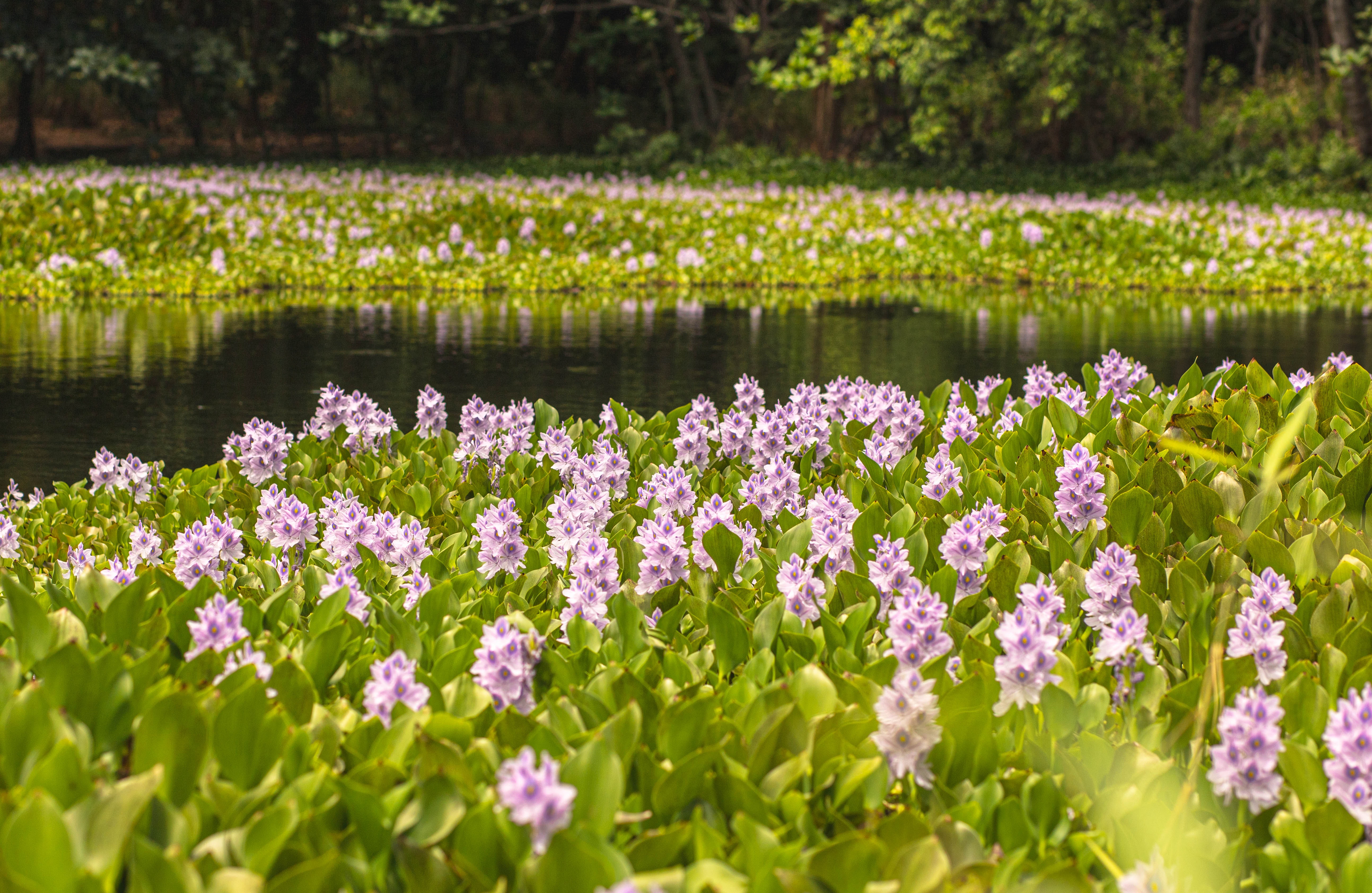
Water hyacinth (Eichhornia crassipes) originated some time around 200 years ago in eastern Asia near the Yangtze River basin. At that time, it was called Eichhornia crassifolia. The name “water hyacinth” comes from the fact that these floating aquatic plants were initially used as ornamental garden ornamentals, before they began invading waterways throughout the world. Today, water hyacinths are considered invasive species, having been introduced into over 100 countries. These plants have become both a nuisance and an ecological threat due to their rapid expansion and high abundance in freshwaters across the globe.

A native of South America, the water hyacinth is believed to have evolved somewhere between the Andes Mountains and Rio de la Plata. The species reached North America via the Mississippi River and its tributaries in the 1800s. Water hyacinths thrive in warm climates and in standing bodies of water where the waters flow slowly. In such locations, the plants require little maintenance, and often grow rapidly. Within just a few decades, the species has colonised many waterways across the U.S., Europe, Australia, Japan, India, and Africa.

 If left unchecked, water hyacinth would soon overwhelm even the largest rivers and lakes. One way to control the spread of this invasive species is to remove the plants manually. However, once the plants reach a certain size, removing them becomes nearly impossible, and the only option may be to chemically treat the waterway. According to a study published in 2016 in the journal Weed Science, spraying glyphosate, a herbicide commonly known as Roundup, kills the plants by disrupting the natural balance of insects and bacteria in the ecosystem.

Because the plant contains toxic chemicals, it is not recommended to eat any part of the plant. However, people have harvested the roots, flowers, and seeds and dried them for cooking. Other uses for the plant include making paper, roofing, construction, and biodegradable packaging materials.

As a result of the massive infestations caused by the water hyacinth, many animals—including fish, amphibians, reptiles, birds, mammals, and humans—have been affected. While water hyacinths do not affect the survival rate of fish, they prevent them from accessing oxygen and can cause the death of young fish. Many frogs, turtles, lizards, snakes, crocodiles, and birds have been observed dying after coming into contact with the plants. Reptile pet owners should always check their pets’ aquarium or pond for dead reptilian friends. In addition, the presence of the plants can block sunlight from reaching aquatic plants and animals, ultimately causing their demise.

The American Society of Agronomy estimates that the annual loss to agriculture worldwide from the invasion of water hyacinths exceeds $300 million in damage costs to crops alone. The cost to maintain clean waterways is estimated to exceed $500 million annually in losses and expenses related to treatment, cleanup, and removal of the plants.

Due to their rapid growth and adaptability to different types of habitats, water hyacinth poses major threats to ecosystems. Researchers warn that the continued proliferation of the plant could lead to the extinction of many rare and endangered species.

The seeds lack endosperm, making them incapable of becoming dormant. Instead they undergo diapause until conditions improve. Once favourable, they begin to germinate and grow rapidly. One study showed that water hyacinth seeds survived in soil for about 15 years.

Common Water Hyacinth 

Common Water Hyacinth grows as tall clumps up to three feet high and spreads rapidly via rhizomes. Plants produce long strap-like rootstocks, producing clusters of thin, succulent stem shoots and leaves. Leaves are alternately arranged on opposite sides of the leaf stalk, giving the appearance of a palm tree's fronds. They are dark green and thick and each leaf contains a single pair of parallel veins. Leaf stems may extend up to six inches beyond the top of the clump. Leaves are produced throughout the year. On average, the leaves of a mature plant weigh about 0.25 pounds.

The flowers of Common Water Hyacinth are small and greenish white in colour, enclosed in a five-pointed calyx. Flowers appear in drooping clusters at the ends of young stems.

Water Hyacinth blooms for only a few days each summer. Male flowering occurs before female flowering. After male flowers open, they release pollen onto females until the last day of male flower production. Pollen then falls to the ground where it germinates into seedlings. Female flowers remain closed for two weeks after pollination. When conditions are right, seed capsules develop and drop off the flower stalks. Seeds disperse over water surfaces by rain and wind. Seedlings germinate from seeds and colonise new habitats.

It is possible to spot female flowers developing on submerged stems, however, these are likely to abort. If a female flower does not abort, it becomes a male flower and produces pollen. Once the stigma develops, the ovaries ripen and release their seeds.

Common Water Hyacinth is an annual herb growing 30 cm to 1m tall. A typical plant consists of several erect stem branches radiating from a central woody base. Small leaves occur along the lower stem and larger ones farther up; they are alternate and entire with blunt margins. Clusters of tiny white flowers are borne singly at the end of short stems; sometimes these are branched. Each individual flower has four pointed sepals. The four petals consist of a narrow upper lip and a broad lower lip, joined together with a spur. The two inner lips are folded back to expose the four stamens and the style. The fruit is a capsule containing numerous minute seeds.

The genus Eichhornia is composed of approximately 30 species, many of which are considered weeds worldwide. Species from Eurasia and North America, including Canada, are commonly referred to as Common Water Hyacinth.

Many species have been reclassified since the original description of the genus in 1753. Today, Eichhornia crassinervis (synonym: E. densa), E. polycarpa, and E. palustris are regarded as separate genera, while E. sesleri (synonym: Eichhornia sessilis) is treated as a variety of E. crassifolia (synonyms: E. crassiflora var. sessilis; E. crassicaulis).

These plants are classified as invasive species. They are non-native and are often difficult to eradicate once established. In addition to being extremely hardy, they are prolific producers of seeds, which can travel great distances in flood waters. They tend to be aggressive colonisers, taking hold of land in a wide range of climates and soils, even those that are unsuitable for agriculture.

 Types of Water Hyacinth

There are many varieties of water hyacinth and they fall into two categories; hardy and weedy. Hardy varieties are those that survive harsh winters without damage. Weedy varieties don't stay dormant during the winter time and continue to grow vigorously. Both types of water hyacinth are invasive species and are difficult to eradicate once established.

Hardy varieties are classified according to their size and shape. The biggest of these, commonly referred to as big leafed water hyacinth, grows up to 5 inches high and can reach heights of 10 feet. The smaller ones tend to grow closer to 1 foot tall. These varieties are generally yellowish-green to green in colour and have smooth dark green stems.

The second kind of variety are the weedy varieties. These can grow up to 6 feet tall and are distinguished primarily by their flower heads. They are often seen floating in large clusters on the surface of bodies of water. There are also varieties of water hyacinthe that can grow from seed or rhizome.

Invasive Species Invasive species are plants or animals that become naturalised in the area where they were introduced, and then spread naturally outside of their original range. Aquatic weeds are plants that spread naturally along waterways. Once present, they may not be eradicated using traditional methods.

How To Control An Invasive Species Water Hyacinth?

Removal is the only surefire method for controlling invasive species. But removal is both labour intensive and expensive. So before removing any invasive species, be sure you know what you are removing and where it came from.

Another option is to kill the invaders. This might sound simple, but it is actually quite tricky. Most invasive species have thick, leathery leaves that make them resistant to herbicides. Even if you manage to spray an herbicide directly onto the foliage of the invader, the chemical won’t bind to the leaf properly and the plant will simply move away from the treated area.

One solution is to use mechanical techniques. Herbicidal equipment can cut down the existing plants while leaving behind plenty of dead material that serves as a barrier between the remaining plants and the herbicide. Mechanical removal is effective, but it requires ongoing maintenance to keep the machinery working well. It also costs money.

Some invasive species can be controlled by planting native plants. Native plants are plants that are adapted to the environment in which they grow. They are usually stronger than invasive species and therefore easier to remove.

If you find yourself fighting off an infestation of invasive species, try to remember that nature isn’t always fair. Sometimes things go wrong. You may experience some failure along the way. Don’t panic. Just try again until you succeed. And try to remember that good things really do happen to good people.

What are the value added products produced from water hyacinth?

The fibrous stems of water hyacinth make excellent materials for making paper pulp and paper.

Commercial production of water hyacinth includes the removal of the plant's stems, which are then sold for industrial purposes. Most commercially grown water hyacinth is processed into mulch, paper pulp, and other commercial products.

It is also used as a decorative plant in hanging baskets and window boxes. Growing water hyacinth also provides useful fibre for basket weaving.

In conclusion, water hyacinths look like clumpy, dense green plants with thick stems, sometimes growing up to 3 feet across, which grow along lakes, rivers, ponds, and even small bodies of water. They don't need much sun; instead they thrive under overhanging trees, shrubs, and other vegetation. Because of this, they're often found near wetland areas.

Plastic : Disadvantages of Plastic - How You Can Workaround It | Alternatives for plastic

Plastic : Disadvantages of Plastic - How You Can Workaround It

Plastic : Disadvantages of Plastic

What is plastic?

Plastics are a type of synthetic polymer. Plastics may be biodegradable or non-biodegradable. Most plastics are produced using petrochemical based plastics. These are petroleum derived materials that have been refined down to their basic chemical composition. Petroleum based plastics are commonly referred to as fossil fuels. Examples of petroleum based plastics are polyethylene (PE), polypropylene (PP) and high density polyethylene (HDPE). In recent years many people have become concerned about the environmental impacts of using plastic products. Many consumers are choosing to use natural alternatives instead. There are now thousands of different types of natural and eco-friendly plastics.

There are two different types of plastic - they are either rigid or flexible. Rigid plastic items tend to be stronger than flexible plastic items. Flexible items are easier to mould and shape. However, they often do not look good when moulded or shaped. Sometimes flexible plastic items are called plastics. A material that is often considered to be both plastic and flexible is rubber. Rubber is soft and malleable. Another example of a flexible plastic item is vinyl. Vinyl is widely used for home appliances because of its durability, flexibility and low cost.

The best way to recycle plastic is to take them to a recycling centre where workers separate the recyclables out of the plastic. You can also repurpose these items. If you want to reuse plastic, you will need to find someone who buys recycled goods. Plastic does not melt easily at normal temperatures, so it cannot be reused unless you melt it first.

Plastics are composed of four things; carbon, hydrogen, oxygen and nitrogen. Carbon atoms make up approximately 85% of the weight of the molecule. Hydrogen atoms make up approximately 15%. Oxygen makes up 2%, and nitrogen makes up only 1%. The remaining percentage of the molecules are filler atoms. The filler atoms are just empty space inside the molecule.

What is the definition of plastic?

  • Plastic is any material formed by polymerization (the controlled solidification) of a chemical substance known as monomer.

  • Plastic is a synthetic resin derived from crude oil.

  • Plastic is any of a number of synthetic resins.

  • Plastic is a type of polymeric material.

  • A plastic is any of various man-made materials that do not decay; they become indestructible.

  • Plastic is any substance composed of long chains of atoms that have two or more covalent bonds between successive pairs of atoms.

  • Plastics are often considered to be polymers, or complex molecules, since their molecular weights can range over several orders of magnitude.

  • Plastic is any material made by polymerizing a volatile monomer.

  • Plastic is anything that is either non reactive to water or easily removed from water.

  • Plastic is the term used in chemistry to denote a class of compounds having the unique property of being able to assume different shapes at room temperature.

  • Plastic is any material that does not decompose under normal conditions (as specified).

  • Plastic is any material whose molecules consist entirely of carbon and hydrogen atoms.

  • Plastic is any substance that can be moulded or shaped at ordinary temperatures.

  • Plastic is any type of synthetic material, including thermoplastics, elastomers, and thermosets, that may be moulded or fabricated.

What are the disadvantages of plastic?

Plastic is the material that is commonly used today to make bottles, food packaging, toys, and even clothing. Plastic is composed of two different chemicals - polyethylene terephthalate (PET) and polyvinyl chloride (PVC). Both of these plastics are derived from oil and are non-renewable resources. PET is often referred to as 1 plastic while PVC is known as 2 plastic. There are many disadvantages of both plastics that we need to know about.

1. Polyethylene Terephthalate (PET): Is generally considered to be the best plastic material due to its high clarity and durability. However, some people believe that PET leeches harmful chemicals into foods and drinks, especially beverages packaged in PET. While this may not necessarily be true, studies have shown that certain foods packaged in PET may leach low levels of phthalates, a chemical classified as a possible endocrine disruptor. PET also does not biodegrade naturally, which means it can take hundreds or thousands of years to break down in landfills.

2. Polyvinyl Chloride (PVC): Has been linked to cancer, reproductive toxicity, and organ damage. Studies show that children exposed to vinyl flooring had higher rates of asthma and allergies than children who lived near carpeted floors. Not only do PVC pipes release chlorine gas when they corrode, but it breaks down over time into several toxic substances, including 1, 4-dioxane and chlorinated dibenzodioxins. PVC also doesn't decompose easily, meaning it ends up taking a long time to break down in landfills.

How does plastic affect the environment?

Plastic use in the environment is estimated at 6.3 million tonnes annually.

Plastic impacts our oceans, rivers, landfills, and atmosphere. A high percentage of plastic enters aquatic ecosystems. Once inside, plastics don’t break down easily and are often mistaken as food. Plastic ingestion has been shown to cause gastrointestinal upset and even death in some animals. Microplastics are now being identified in waterways around the world, including drinking water sources. These microplastics enter our bodies via drinking contaminated tap water or consuming seafood caught near polluted waters.

Plastics release chemicals when they degrade into smaller pieces.

When plastic breaks down chemically, it releases additives that have been added during production. These additives can leach out of the plastic and into surrounding environments, posing potential hazards to fish and marine mammals, who mistake these chemicals for food. Ingesting these chemicals can lead to digestive problems and even death. Other chemicals emitted from plastic breakdown are carcinogenic.

Waste products from plastic manufacturing become trash and litter. Trash and litter increase pollution and environmental damage.

Manufacturing companies produce tons of waste each year – waste that ends up in landfills or polluting our waterways. Because plastics don’t decompose easily, we need to stop using them immediately.

Plastics take billions of years to fully biodegrade.

In contrast to natural materials, plastics don’ t naturally break down in the Earth’s biosphere. However, in recent times, studies have indicated that certain species of bacteria may be able to biodegrade some types of plastics. If these bacteria were to be given access to enough space, they could potentially remove contaminants from plastic.

Plastics clog recycling systems.

Recycling programs depend on sorting machines that separate plastic materials from paper and cardboard. When plastics get mixed into paper and cardboard, however, they reduce the efficiency of the sorting machine and slow down recycling processes.

Plastics clog sewers and storm drains.

Sewer pipes and drainage systems collect and direct rainwater run-off from roads, rooftops, and parking lots towards public sewer systems. Unfortunately, many plastic items (such as plastic bottles) aren’t easily separated from wastewater, and end up in the city sewers. Sewer systems also receive plastic bags and other debris from streets and storm drains. Left untreated, this material causes blockages and increases maintenance costs.

Plastic takes valuable resources away from other industries.

The manufacture of plastic requires petroleum, which would otherwise go toward making things like fuel, paints, pharmaceuticals, cosmetics, and household goods.

What are the advantages of plastic?

Plastic despite its harmful effects, people still love using plastics today because they are cheap and convenient. Plastic products have become indispensable in daily lives. Plastics have been used in making pipes, bottles, toys, clothing, furniture, bags, and many others. Because of their durability, they are widely used in home improvement projects. When you want to buy some affordable and reliable plastic products, try to look for companies that use recycled plastics. Recycled plastics may cost less than virgin plastics, but they do not harm our environment. We will find out the advantages and disadvantages of plastic below.

Advantages of plastic

• It is inexpensive

• You can get it easily

• It is flexible and durable

Alternatives for plastic

Plastics are everywhere around us and they are making our lives much easier. But we have to start realising that these plastics do not last forever. Plastic bottles take centuries to decompose, plastic bags take hundreds of years to disintegrate, and plastic water bottles only last about 10-20 years before they need to be replaced. One solution is to use biodegradable plastics, like those made from corn starch or potato starch. Some companies even make compostable plastic straws.  If everyone started using biodegradable plastics instead of regular ones, the amount of plastic we consume would drastically decrease, and the amount of waste produced would go way down. 

All the world's resources are being destroyed by plastic. They are spread all over the land and oceans. It is the duty of the people of the world to avoid such use of plastic. This is only possible if everyone comes together. People should avoid the use of plastic in the things they use and use only cloth, wooden materials and biodegradable plastic materials. Use it to save the world.

So if you want to help save the planet, consider switching over to biodegradable plastics!


What is the difference between Neanderthals and humans?

பிாிட்டனில் நியாண்டா்தால் மனிதா்கள் 40,000 ஆண்டுகளுக்கு  முன்பு வாழ்ந்த குகை கண்டுபிடிக்கப்பட்டது


நியாண்டாா்தால் 

காலம் அற்புதமான பல விசயங்களை  இழக்கச் செய்திருக்கிறது.  நம் பூமியில் வாழ்ந்த பல உயிாினங்கள் இப்போது  அழிந்தும், பாிணாம வளா்ச்சியும் அடைந்து விட்டன.  ஆனாலும் காலபோக்கில் அறிவியலாளா்களாலும், தொல்பொருள் ஆராய்ச்சியாளா்களாலும் பல அழிந்து போன மற்றும் பாிணாம வளா்ச்சியின் எச்சங்கள் இன்றளவும் உலகெங்கும் கிடைக்கப்பட்டு வருகின்றன.

அந்த வகையில் நாம் இன்று காண இருப்பது நியாண்டா்தால் என்னும் மனிதா்களின் பாிணாம வளா்ச்சிக்கு முந்தையகாலங்களில் வாழ்ந்த மனிதா்களை பற்றி தான்,


இவா்களின் அறிவியல் பெயா்  ஹோமோ நியண்டா்தாலென்சிஸ்,  ஹோமோ செப்பியன்ஸ் நியண்டா்தாலென்சிஸ்  இவா்கள் ஹோமினிடே என்னும் குடும்பத்தை சோ்ந்தவா்கள். இவா்களின் உயரம்  ஆண்கள் 1.6 மீ  லிருந்து 1.7 மீ உயரம் வரை. பெண்கள் 1.5 மீ லிருந்து 1.6 மீ உயரம் வரை இருப்பாா்கள் என கணிக்கப்படுகிறது . இந்த இன மனிதா்கள் சுமாா் 2 லட்சம் ஆண்டுகளுக்கு முன்னா்  தோன்றிருக்கலாம் என கூறப்படுகிறது. 40,000 ஆண்டுகளுக்கு முன்பு வரை  யூரேசியாவில் (ஐரோப்பா கண்டம்) வாழ்ந்ததற்கான பல்வேறு சான்றுகள் கிடைத்துள்ளன. மேலும் இவா்கள் ஆசிய,  கண்டங்கள் வரை  பரவி வாழ்ந்து  வந்ததற்கான சான்றுகளும் அவ்வப்போது கிடைத்து வருகின்றன.  இந்த பழமையான  மனித இனங்கள் தொடா்ச்சியான காலநிலை மாற்றம், இப்போதைய மனிதா்களாக  மாறுவதற்கான மரபணு மாற்றம், நோய் பரவல் போன்ற பல்வேறு காரணங்களால் இவ்வினங்கள்  அழிந்து பாிணாம வளா்ச்சி அடைந்து விட்டன. அப்போது வாழ்ந்த நியாண்டா்தால் மனிதா்கள் சுண்ணாம்பு  பாறைகளில் குகைகளை உருவாக்கியோ அல்லது இயற்கையாக உருவாகிய குகைகளிலோ வாழ்ந்துள்ளனா் .


நியாண்டாா்தால் மனிதா் மற்றும் இன்றைய மனிதா்கள்

Difference between Neanderthals and humans

20 நூற்றாண்டுக்கு முன்னா் வரை இந்த நியாண்டா்தால் மனிதா்கள் உருவம், செயல்பாடுகளின் ஆராய்ச்சிகளின் மூலம் மட்டும் தற்போதைய மனிதா்களில் இருந்து வேறுபட்டவா்களாக  தொிந்தனா். ஆனால் 20 ம் நூற்றாண்டுக்கு பிறகு நடைபெற்ற மரபணு ஆராய்ச்சிகளில் இவா்கள் தொன்மையான மனித இனங்கள் என ஏற்றுக்கொள்ளப்பட்டனா்.


நியாண்டாா்தால் மனித குகை முதல் கண்டுபிடிப்பு

1856ம் வருடம் ஜொ்மனியில்  உள்ள டுஸ்ஸெல்டாா் என்னுமிடத்தில் உள்ள நியாண்டா்தால் பள்ளத்தாக்கு என்னும் பகுதியில Feldhofer என்னும் குகையில் தான் முதல் முதலாக  நியாண்டா்தால் மனித எலும்புக் கூட்டின் படிமம் கண்டெடுக்கப்பட்டது. அதில்  நெற்றி பகுதி தடித்த நிலையில் உள்ள ஒரு மண்டை ஓடும், பொிய கால் எலும்புகளும், மூட்டுகளும் , அவா்களின் முதுகு தண்டு பகுதியானது வளைந்தும் காணப்பட்டன. அதன்பின்  இந்த எலும்புகூடுகளை  போன்ற தோற்றத்தில் 1886 ல் பெல்ஜியத்தில் உள்ள ஸ்பை என்னுமிடத்தில் இரண்டு எலும்பு படிமங்கள் கண்டெடுக்கப்பட்டன, அதன் பின் ஆராய்ச்சியாளா்க்ள இந்த எலும்பு கூடுகளை பற்றி ஆராய தொடங்கினா். தற்போது பல இடங்களில் நியாண்டா்தால் மனிதா்கள் வாழ்ந்ததற்கான எச்சங்கள் கிடைத்து கொண்டுதான் இருக்கின்றன. 


தற்போதைய குகை கண்டுபிடிப்பு

தற்போது 40,000 ஆண்டுகளுக்கு  முன்பு   நியாண்டா்தால் மனிதா்கள் வாழ்ந்த குகை கண்டுபிடிக்கப்பட்ட்டுள்ளது. இது பிாிட்டனில் உள்ள ஜி்ப்ரால்டா் பகுதியில் வான்காா்ட் என்னும் குகை பகுதியில் கண்டறியப்பட்டுள்ளது. ஜிப்ரால்டா் தேசிய அருங்காட்சியகத்தின் இயக்குனா் கிளைவ்ஃபின் லேசன் என்பவரது தலைமையில் ஒரு குழுவினா்  யுனெஸ்கோவால் பாரம்பாிய சின்னமாக அறிவிக்கப்பட்ட கோா்ஹாமின் குகை வளாகத்தில்  ஒரு பகுதியாக உள்ள வான்காா்ட் குகையில் புதிய பகுதிகளை கண்டறிய 2012 ம் ஆண்டு முதல் மண் மூடியிருந்த பகுதிகளில் ஆய்வு மேற்கொண்டு இருந்தனா். 

கடந்த மாதம் (செப் 2021) அவா்கள் இந்த வான்காா்ட் குகையின் பின்பகுதியில், ஒரு 42 அடி நீளமுள்ள குகையின் மற்றொரு அறையை கண்டுபிடித்தனா். அந்த அறையின் பாறைகளில் கீறல்கள் காணப்பட்டன. மேலும் சுமாா் 4 வயது மதிக்கத்தக்க  பழமையான நியாண்டா்தால் இனத்தை சோ்ந்த ஒரு குழந்தையின் பால் பற்கள் கிடைத்துள்ளன.


கழுதை புலி மற்றும் கழுகுகின் படிமங்களும் கிடைத்துள்ளன.  இதை கொண்டு கிளைவ்ஃபின் லேசன் கூறியிருப்பது கழுதைப்புலியின்  மூலம் இந்த மனிதா்கள் இந்த குகைக்குள் இழுத்து வரப்பட்டிருக்கலாம் என கருதப்படுவதாக  தொிவித்துள்ளாா். இது குறித்து ஆராய்ச்சியில் இந்த பற்கள் மற்றும் படிமங்கள் சுமாா் 40,000 ஆண்டுகளுக்கு முற்பட்டதாக  தொிவிக்கப்பட்டுள்ளது எனவே அந்த கால கட்டங்களில் வாழ்ந்த நியாண்டாா்தால் மனிதா்களுடையதாக இருக்கும் என  கூறப்பட்டுள்ளது. இது இன்னும் பண்டைய மனிதா்களை பற்றிய ஆராய்ச்சியின் மேலும் ஒரு மைல்கல்லாக இருக்கும்.


What is content writing? How to write content? Content write helping tips

What is content writing? How to write content? Content write helping tips

Content writing

What is content writing?

A content writer is a person who writes articles, blogs, webpages, etc., about various topics. Content writers have become increasingly popular in recent years due to their high demand in the market. Not only do they write informative articles, but they also research facts and information related to a particular topic. In addition to this, they ensure that the article remains concise and professional. If you’re wondering how to write an article then here are some tips to follow.


Tip 1 - Research


If you're going to try and create a piece of content, it's imperative that you do sufficient background work first. When researching, make sure that the information you collect is current and relevant. You should always avoid outdated material since people will not find these types of articles interesting. To save yourself time, you could use an online site such as Google Scholar where you type in keywords pertaining to what you want to know.


Tip 2 - Use a Good Reference Tool


Once you've finished doing your research, it's time to put together your notes. A great way to organize your notes would be to use Evernote, Microsoft OneNote, or a personal notebook. By using these reference tools, you'll be able to easily access previous notes and references. This will help you remember everything you need to include in the article.


Tip 3 - Write Out Your Ideas First


Before starting to write your article, it’s important that you get your thoughts down on paper. Writing out your ideas first will allow you to brainstorm different approaches, techniques, and angles that you can include in your article. These ideas will serve as inspiration later on when you begin to create your actual article.


Tip 4 - Create a Mastermind Group


While writing, you should never be alone. Getting feedback from others will greatly improve the quality of your piece. Even if you don't have any friends or colleagues, joining a mastermind group might prove beneficial. Working alongside others who are interested in the same subject will provide you with valuable insights and useful suggestions that you wouldn't have thought of otherwise.


Tip 5 - Edit and Refine


After completing your masterwork, it's time to edit and refine your article. After editing, you should check out grammar, spelling, and sentence structure. Once you've fixed these errors, it's time to proofread your work once again. Pay close attention to punctuation and style consistency. Finally, before publishing your article, you should preview it to ensure that everything looks good.


Tip 6 - Make Sure Everything Is Correctly Cited


Always cite your sources. Whether you're reading Wikipedia or simply typing out your own material, always add citations. Plagiarism isn't appreciated by anyone and you want to avoid getting in trouble. Always cite your sources correctly.


Tip 7 - Proofread Again


The final step before publishing your content is proofreading. When editing, make sure that everything is correct and spell checked, not only grammatically, but also for clarity of subject matter. You want people to understand what you're saying without having to read between the lines.


Tip 8 - Use images effectively


Images are great for grabbing attention, especially if they tie back to your story. A picture is worth 1,000 words. If you have the time, shoot some interesting pictures for social media posts. People love seeing their friends and family on social media!


"In conclusion, creating great content is one of the best ways to attract traffic and generate leads, so it pays off to invest in quality content creation"

Featured Post

How to Create 100+ Business Cards in Seconds! InDesign Data Merge Tutorial

How to Create 100+ Business Cards in Seconds! – InDesign Data Merge Tutorial Creating multiple business cards manually can be time-consumin...

Popular

ads