Saturday, February 11, 2023

Monkeys: Facts - Interesting Monkey Facts And Theories - What is the rarest monkey?

 Monkeys: Facts - Interesting Monkey Facts And Theories - What is the rarest monkey?

monkeys

Monkeys

The monkey is classified under the primate family of simians. There are approximately 60 different species of monkeys around the world. Monkeys have been living on Earth for over 40 million years. A lot of primates live in tropical rainforests and grasslands. When we compare the size of their bodies to the human body they look quite small. But compared to humans, they are actually much bigger especially if we consider their brains. In fact, a chimpanzee's brain is about 1/10th the size of a human beings' brain while a gorilla's brain is only about 1/20th the size of a humans'.

In addition, monkeys have very long arms and legs and their hands and feet are opposable, meaning that they can move independently from each other unlike our own hands. They are omnivorous (a herbivore eats both plants and meat) and eat fruits, nuts, berries, leaves, seeds, tubers, roots, mushrooms and insects. They use their intelligence and sharp senses to survive in nature. Sometimes monkeys even climb trees to escape from predators.

Monkeys: Facts

  • Monkeys belong to the order Primates together with humans, apes, and lemurs. Primates are defined as mammals who have forelimbs modified for grasping and walking on two feet, including hands, arms, shoulders, legs, and sometimes tails. All monkeys are social animals and live in groups called troops. Most primates spend their entire lives in trees and are able to move easily among branches using their long limbs and opposable thumbs.
  • There are over 120 species of monkey around the world, including baboons, capuchins, colobus, gorillas, langurs, macaques, mangabeys, marmosets, patas, tamarins, and tayra. Many species are endangered due to habitat loss, hunting, and disease outbreaks.
  • A monkey's brain is much larger than its body size would indicate. Monkeys' brains make up 40-60% of their total weight. Their brains contain approximately 25 billion neurons, making them among the most highly developed of all mammals. Unlike many other mammals, they do not have fur—only their sweat glands serve the purpose of keeping warm. In fact, some species are known to use clothing!
  • Monkey females give birth to twins only once in their lifetime. Twins are born between 3 and 9 months after conception. While the mother carries the babies in her belly, she does not nurse them. Instead, the infants ingest milk produced by her mammary glands.
  • Monkeys are herbivores like cows, horses, goats, sheep, pigs, and deer. They eat mainly fruits, nuts, seeds, and leaves. However, they may occasionally eat meat, insects, eggs, and even small rodents.
  • Monkeys are active throughout the day, just like humans. They sleep at night and are awake during the day.
  • Monkeys are omnivores, meaning they eat both plant and animal material. They are capable of eating any type of food that falls off tree trunks. They may hunt fruit, nectar, insects, fish, reptiles, amphibians, birds, carrion, roots, tubers, mushrooms, and greens. Even if they don't find something edible, they may chew sticks and twigs to help break down tough foods.
  • You might think that since monkeys are social creatures, they communicate with each other with facial expressions, sounds, gestures, and even with their bodies. But they actually communicate nonverbally; they use scent markings, urine spraying, and grooming to convey information.
  • Monkeys' circadian rhythms keep them active during the day and inactive at night. Their eyes shine red during daylight hours because of high levels of blood flow. They sleep during the dark period and wake up in the morning.
  • Monkeys are diurnal animals. That means they're active during the day. Diurnal animals tend to be active earlier in the morning and late afternoon/evening.
  • Monkeys are great athletes. They run, jump, climb, swing, swim, and balance themselves well. Their agility and dexterity allow them to travel fast and efficiently.
  • Monkeys are very curious animals. They explore everything around them and frequently interact with people.
  • Like us, monkeys also get sick. When they are ill, they experience fever, sore throat, cough, sneezes, runny nose, swollen lymph nodes, diarrhoea, vomiting, and even unconsciousness.
  • The average monkey eats about 4,000 calories a day.
  • When monkeys reach old age they become inactive due to lack of interest. Inactivity causes them to lose muscle mass and bone density. As a result, they often fall over and break bones.
  • Monkeys have been seen playing games such as hide-and-seek, tug-of war, tag, and many others. Playing these games keeps everyone happy and entertained.
  • Monkeys are intelligent animals who understand human speech. They have heard human language since birth.
  • Monkeys can survive on a diet of bananas, coconuts, figs, papayas, pineapples, mangoes, mangosteens, melons, oranges, potatoes, rice, sugarcane, taro, watermelon, yams, zucchini, and many other fruits and vegetables.
  • Some Monkeys eat insects and spiders and enjoy eating lizards, snakes, snails, crabs, small birds, and frogs.
  • Monkeys are extremely versatile animals. They can climb trees, swim, run and jump very high. They are good swimmers and climbers. They can easily navigate rocky terrain and rough forests. They can move quickly through dense foliage and navigate complex landscapes. Monkeys are skilled hunters and use their strong arms to capture prey. They can be agile enough to catch and bite a bird’s neck without breaking its own teeth.
  • There are approximately 60 different types of monkeys found today. Over 25% of these species are endangered. About 30% of the world’s population of monkeys live in Asia. The rest of the world population lives mainly in Africa.
  • A monkey's life span may reach 30 years.

What is the rarest monkey?

Bonobo

The bonobo (Pan paniscus) is a small ape species native to Africa. Its natural habitat ranges from east-central Congo and western Uganda to southern Sudan and northern Central African Republic, although its range was once much larger; it was hunted nearly to extinction until the mid 20th century.

Tarsier

The tarsier (Tarsius syrichta), also known as the flying lemur, is a nocturnal insectivorous primate endemic to Southeast Asia. It is closely related to monkeys, apes, and prosimians, and belongs to the subfamily Tarsiidae.

Pygmy marmoset

The pygmy marmoset (Callithrix kuhli) is a small New World monkey belonging to the family Callitrichidae. As their name suggests, they are the smallest primates in the Americas, reaching only 25–35 cm in height.

Leaf Monkey

The leaf monkey (Presbytis entellus) is a species of arboreal New World monkey belonging to family Cebidae. Their body length varies between 37 cm and 45 cm.

Hairy Armadillo

The hairy armadillo (Chaetophractus villosus) is a South American mammal belonging to the order Pilosa. The armadilloes have two types of hair, short hairs on the face and upper parts of the body, and longer ones on the lower parts of the body and tail.

Black Lemur

The black lemur (Eulemur macaco macaco) is a species of Old World monkey (suborder Primates, family Cheirogaleidae) native to Madagascar. Although traditionally included in the mouse lemurs genus Microcebus, molecular phylogenetic studies suggest that the black lemur falls outside the clade comprising Microcebus and its closest relatives, placing them in a monophyletic group of their own.

Red Panda

The red panda (Ailurus fulgens) is a bearlike carnivore that is mainly active at night in tropical forests and subtropical bamboo groves. They eat almost anything and are omnivores, but are primarily herbivorous.


Snails - a fascinating world of animals - நத்தை - SNAIL

நத்தை  - SNAIL


இப் புவியில் பல நுாற்றாண்டுகளாக வாழும் ஆச்சிாியபட வைக்கும் உயிாினமாகும், இந்த உயிாினங்களில் 35,000 திற்கும் மேற்பட்ட வகைகள் உள்ளன என கூறப்படுகிறது. நிலம், நன்னீா் மற்றும் கடல்களிலும் காணப்படுகின்றன,

நத்தைகள் பற்றிய ஆச்சாியமான உண்மைகள்

  • நத்தைகள் மெல்லுடலிகள் மற்றும் வயிற்றுக்காலிகள் வகுப்பை சோ்ந்தவை
  • அவை அச்சுறுத்தப்படுவதை உணரும்போது, அவை தங்களைப் பாதுகாத்துக் கொள்வதற்காக அதன் ஓடுக்குள் மறைந்து கொள்ளும்.
  • நத்தைகளுக்கு முதுகெலும்பு இல்லை.
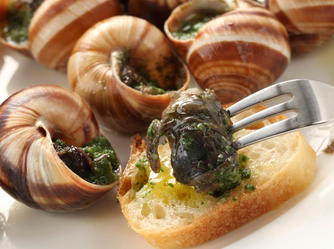
  • நத்தைகள் உணவிற்காகவும் பயன்படுத்தப்படுகின்றன,
  • சில இடங்களில், மக்கள் நத்தை முட்டைகளை சாப்பிடுகிறார்கள், அவற்றை "வெள்ளை கேவியர்" என்று அழைக்கிறார்கள்.
  • பொதுவாக, நத்தைகள் முட்டைகளிலிருந்து வெளிவரும்.
  •  நத்தைகள் அவற்றின் ஓடுகளின் வாயிலை எபிபிராகம் எனப்படும் உலர்ந்த சளி சுரப்பால் மூடுகின்றன
  • நத்தைகள் வளரும்போது அதன் ஓடுகளும் அதனுடன் சோ்ந்து வளா்கிறது,
  • நில நத்தைகளின் எதிாிகள் வண்டுகள், எலிகள், எலிகள், ஆமைகள், சாலமண்டர்கள் மற்றும் சில பறவைகள்.
  • நத்தை ஓடுகளின் முக்கிய கூறு கால்சியம் கார்பனேட் ஆகும்.
  • நத்தைகள் பல வகையான ஒட்டுண்ணிகளை கொண்டுள்ளனமோசமாக சமைத்த நத்தைகளை உண்ணும் மனிதர்கள் கூட கடுமையாக நோய்வாய்ப்படலாம்.
  • நில நத்தைகள் ரதுலா எனப்படும் வாய் அமைப்பு வழியாக உணவை எடுத்துக் கொள்கின்றன, அதில் பல வரிசையான சிறிய பற்கள் உள்ளன.
  • பற்கள் இருந்தாலும் நத்தைகள் தங்கள் உணவை மெல்லாது. அப்படியே விழுங்கிவிடும்.
  • நில நத்தைகள் நுரையீரல் மூலம் சுவாசிக்கின்றன. ஆனால் நீா் நத்தைகள் பூ போன்ற  செவுள் அமைப்பின் மூலம் சுவாசிக்கின்றன.
  • தோட்டத்தில் காணப்படும்  ஒரு நத்தையானது ஒரு வருடத்திற்குப் பிறகு 430 குஞ்சு பொரிக்கும்
  • ஒரு நத்தை ஓட்டின் அளவு அதன் வயதை பிரதிபலிக்கிறது.
  • பல நத்தைகள் அழியும் அபாயத்தில் உள்ளன
  • நத்தைகளின் ஓடுகள் அலங்கார  பொருளாகவும், ஆபாரணங்களாகவும்  பயன்படுகின்றன,

கூடுதல் நத்தை உண்மைகள்.

சில நத்தைகள் உறங்கும்.

ஆண்டின் குளிர் மாதங்களில் சில வகை நத்தைகள் உறங்கும். அவை தங்கள் உடலை மெல்லிய சளியால் மூடி, அவை உலர்ந்து போவதைத் தடுக்கிறது. கோடையில் இதேபோன்ற செயல்முறையை செய்கின்றன, இது வறண்ட காலமாக இருந்தாலும் உயிர்வாழும். இந்த செயல்முறைகள் அநேகமாக மில்லியன் கணக்கான ஆண்டுகளாக அவை உயிர்வாழ ஒரு காரணம்.

நத்தைகள் நீண்ட ஆயுளைக் கொண்டிருக்கும்.

நத்தைகளின் ஆயுட்காலம் அவற்றின் வாழ்விடம் மற்றும் இனங்களைப் பொறுத்தது. அவைகளில் சில சுமார் ஐந்து வருடங்கள் மட்டுமே வாழ்கின்றன. இருப்பினும், பாதுகாக்கப்பட்டு வளா்க்கபடுபவை  10 வயது வரை வாழலாம் என கூறப்படுகிறது.

பொிய நத்தைகள் 

கண்டுபிடிக்கப்பட்டதிலேயே மிகப்பெரிய நில நத்தை 12 அங்குல நீளம் மற்றும் 2 பவுண்டுகளுக்கு (1 கிலோ வரை)  அளவு எடை கொண்டது. அது ஒரு மாபெரும் ஆப்பிரிக்க நத்தை இந்த நத்தைகள் ஆபத்தானவை என கூறப்படுகின்றனமற்ற பெரிய நத்தைகள் சில சென்டிமீட்டர் நீளமும், இரண்டு அவுன்ஸ் எடையும் மட்டுமே சிறியதாக இருக்கும்.


நத்தை நகரும்.

நகரும் போது, ​​நத்தைகள் சளி போன்ற திரவத்தினை சுரந்து கொண்டே நகா்கின்றன,  இந்த சளி அது செல்லும் மேற்பரப்புக்கு எதிரான உராய்வைக் குறைக்க ஒரு பிசின் எண்ணெய் போல செயல்படுகிறது.

நத்தைகள் மெதுவான இயக்கத்தில் வாழ்கின்றன.

தோட்ட நத்தைகள் ஒரு மணி நேரத்திற்கு 50 கெஜம் வேகத்தை எட்டும்; இது வினாடிக்கு சுமார் 0.5 அங்குலம். அவை வேகமாக நகரவில்லை என்றாலும், அது மிகவும் சீரான வேகத்தில் நகரும். நத்தைகள் பூமியின் மெதுவான உயிரினங்களில் ஒன்றாகும்அவை நிறுத்தாமல் நகர்ந்தால், 1 கிலோ மீட்டரை முடிக்க ஒரு வாரத்திற்கு மேல் ஆகும்.

நத்தைகள் பார்க்க முடியும் ஆனால் கேட்க முடியாது.

பெரும்பாலான நில நத்தைகள் இரண்டு கூம்புகளை கொண்டுள்ளன, மேல் பகுதி கண்களைச் சுமக்கிறது, அதே நேரத்தில் கீழ் பகுதி வாசனை உறுப்புகளைக் கொண்டுள்ளது. இருப்பினும், அவைகளுக்கு காதுகள் இல்லை.

நத்தைகள் உணவு தேடும் நேரம்

நத்தைகள் இரவு நேர விலங்குகள், அதாவது அவற்றின் பெரும்பாலான நடவடிக்கைகள் இரவில் நடக்கும்நத்தைகள் சூரிய ஒளியை விரும்புவதில்லை, அதனால்தான் மேகமூட்டமான நாட்களில் அவற்றை நீங்கள் அதிகமாகக் காணலாம். நீங்கள் அவற்றை மீன்வளத்தில் வளா்க்க நினைத்தால், அதன் அறையில் அதிக சூரிய ஒளி இல்லை என்பதை உறுதிப்படுத்திக் கொள்ளுங்கள், அல்லது நத்தைகள் சாப்பிடுவதை நிறுத்தி அவற்றின் ஓடுக்குள் மறைந்துவிடும்.

நத்தையின் உணவு

நத்தைகள் பெரும்பாலும் தாவர உண்ணிகளாக உள்ளன, எனவே இவை வயல்களில் உள்ள செடிகளின் தண்டுகளை சாப்பிட்டு தண்டுகளுக்கு சேதம் விளைவிக்கும், மாபெரும் ஆப்பிரிக்க நில நத்தை 500 க்கும் மேற்பட்ட பல்வேறு வகையான தாவரங்களை சாப்பிடுவதாக அறியப்படுகிறது.

நத்தை இறைச்சி உணவு மற்றும் மருத்துவ குணம்

நத்தைகள் பல நாடுகளில் உணவாக உண்ணப்படுகின்றன. 

நத்தை இறைச்சி உடல் சூட்டை தணிக்கும், குளிா்ச்சி மிகுந்த உணவு எனவும். மூல வியாதிகளுக்கு மருந்தாக பயன்படும் என  பொியோா்கள் கூறுகின்றனா்,


நத்தையின் வலிமை

நத்தைகள் வலிமையானவை மற்றும் அவற்றின் உடல் எடையை 10 மடங்கு வரை செங்குத்து நிலையில் உயர்த்த முடியும்.

நத்தைகளின் இனங்களின் எண்ணிக்கை

குறைந்தது 2,00,000 திற்கும் மேற்பட்ட இனங்கள் இருக்கலாம் என கூறப்படுகிறது, இதுவரை கண்டறியபட்டவை 35,000 மட்டுமே,


தண்ணீா் தேடும் நத்தை வீடியோ


Armed Aquatic Animal - Are Aquatic Animals Armed?

Armed Aquatic Animals

Some animals are born with innate protective features, and animals use these protective shields to protect themselves from enemies when they feel they are in danger. In this article you will find about some aquatic protective armor animals,

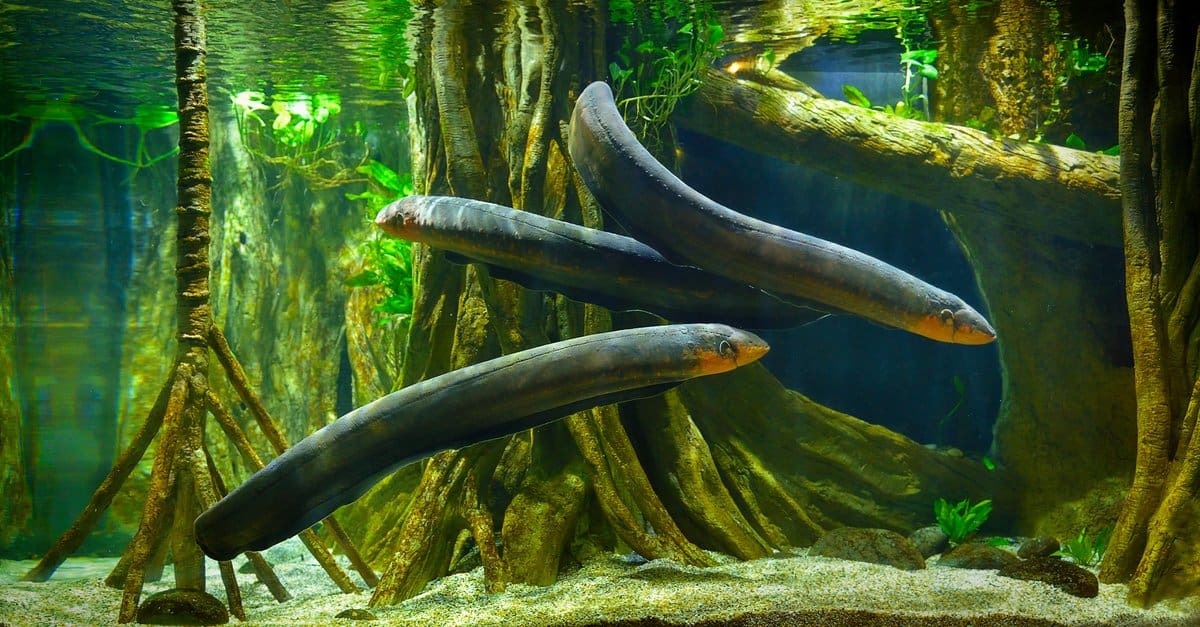
 Electric eel (Electrophorus electricus)


Electric eels have eight powerful muscular arms that they use to stun their prey. These animals are native to South America, where they live in rivers, streams, ponds, and lakes. When threatened, they extend their first pair of arms out straight in front of them while retracting their second pair behind themselves. Their body coloration varies depending on their environment. In freshwater environments, electric eels are greenish-gray. In saltwater, however, they turn reddish-orange or yellowish-brown. Electric eels have been known to attack people who approach them too closely.

Fresh water pufferfish (Takifugu rubripes)


Fresh water pufferfish also have eight powerful muscular arms. These fish are native to Japan. To protect themselves from predators, these fish can inflate their bodies using special muscles that allow them to expand their bodies up to five times their normal size!

Flying fish (Exocoetidae)


Flying fish are also called flying shrimps because of their unique swimming styles. These creatures have two pairs of wings located on each side of their bodies. There are different species of flying fish, including the swordfish, flying squid, flying bass, flying catfish, flying grouper, flying sole, flying scorpionfish, flying gar, flying angel, flying shrimp, flying angelfish, flying skate, flying mackerel, flying gurnard, flying bream, flying goby, flying codling, flying flounder, flying plaice, flying halibut, flying salmon, flying cusk, flying salmonlet, flying turbot, flying sardinella, flying pilchard, flying herring, flying shark, flying jackelope, flying perch, flying sunfish, flying ray, flying barracuda, flying porcupinefish, flying flathead, flying seahorse, flying butterflyfish, flying triggerfish, flying wrasse, flying surgeonfish, flying sea robin, flying cutthroat, flying whiptail, flying frogfish, flying moray, flying conger, flying scorpion, flying banded murex, flying unicornfish, flying lobster, flying jellyfish, flying box jellyfish, flying octopus, flying jellyfish, and flying nudibranch.

Spotted dolphin (Stenella coeruleoalba)


The spotted dolphin is a marine mammal related to the bottlenose dolphin. This particular dolphin lives along coastlines around the world, generally near beaches and estuaries. While spotted dolphins spend most of their time in shallow waters, they have been known to swim at great depths. If threatened, spotted dolphins may emit a loud grunt or squeal. Spotting dolphins have been known to engage in behaviors like breaching and spy hopping.

Stingray (Dasyatis acuta)


Stingrays have long, thin tails that give them a distinctive appearance. These marine animals have four pairs of strong, sharp tentacles attached to their tail. They are often referred to as stingrays because of the stinging cells located on their tail. Stingrays tend to prefer coastal habitats, particularly rocky shores, and feed primarily on invertebrates. Stingerrays are able to move forward rapidly, making them effective ambush predators. They are also excellent swimmers and frequently leap out of the water completely out of reach of any potential predator. They can cover distances of over 30 feet per second.

Leopard shark (Triakis semifasciata)


Leopard sharks are commonly found throughout the tropical oceans. These sharks are not actually true leopards, but do bear some resemblance to them. They are named after their characteristic spots and stripes. Like other sharks, leopard sharks have razor-sharp teeth that help them catch their prey. However, they lack the typical mouth structure used to bite down upon their prey. Instead, leopard sharks bite off chunks of their victim and then swallow the pieces whole. Due to the fact that they lack the usual jaw structure, leopard sharks cannot chew. Instead, they crush their food with their powerful jaws.

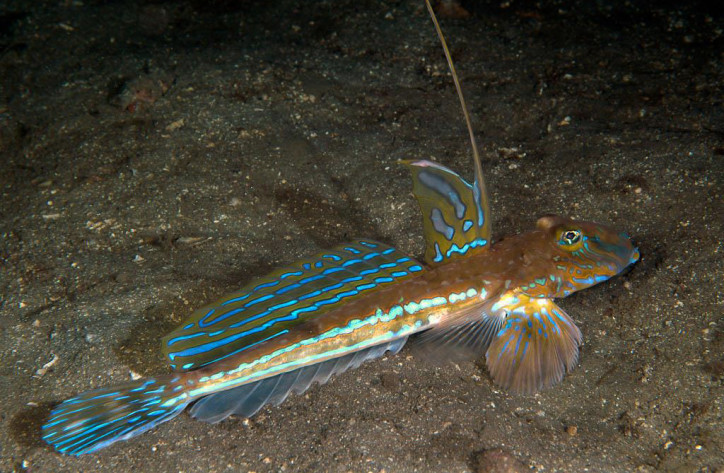
Dragonet (Callionymus lyra)


Dragonets look similar to pipefishes, but dragonets have a much larger head than a pipefish. They have a cylindrical body covered in bony plates. Their heads have no eyespots and instead have rows of tiny pits. Dragonets eat small crabs, polychaete worms, and smaller fish. They are highly territorial and often gather in schools. Dragonets are quite abundant in the Mediterranean Sea, but are endangered throughout the rest of the world.


Well of hell (barhut well) tamil

மர்மங்கள் விலகிய மர்ம கிணறு

Well of Hell mysteries removed

barhut well (Well of Hell)

ஏமன் நாட்டில் ஓமன் எல்லையில் அல் மஹ்ரா பாலைவனப்பகுதியில் உள்ள பார்ஹட்டின் கிணறு (Barhut) இது நரகத்தின் கிணறு (Well of Hell) என்றும் அழைக்கப்படுகிறது. இயற்கையாகவே உருவான இக் கிணறு பல்வேறு மர்மங்களை கொண்டிருப்பதாக கருதப்படுகிறது. மர்ம கிணறு 100 அடி அகலமும் 367 அடி ஆழமும் கொண்டது.


இந்த மர்ம கிணறு பற்றி பல்வேறு யூகங்கள் நிலவி வந்தன. 

அந்தபகுதியை சேர்ந்தவர்கள் கிணற்றுக்கு அருகில் வரும் எதுவும் தப்பிக்கமுடியாமல் உள் இழுக்கப்படும் என்று நீண்ட காலமாக நம்புகிறார்கள். பல நூற்றாண்டுகளாக ஏமன் மக்கள் இந்த கிணறு ஆவிகளின் சிறை என்றும் நம்பினர். அதற்கு காரணம் அதன் உள்ளே இருந்து வரும் துர்நாற்றம் தான்.

சமீபத்தில் ஏமன் அதிகாரிகள் அங்கு என்ன இருக்கிறது என்று தெரியாது என்று ஒப்புக்கொண்டனர். துரதிர்ஷ்டத்திற்கு பயந்து, அருகிலுள்ள பல குடியிருப்பாளர்கள் துளையைப் பற்றி பேச விரும்புவதில்லை.

மர்மமான இந்த பார்ஹட்டின் கிணறின் அடிப்பகுதி சென்ற ஆய்வாளர்கள்

பல நூற்றாண்டுகளாக மர்மத்தால் மூடப்பட்டிருந்த பூமியில் ஒரு இடைவெளி துளை இறுதியாக ஆராயப்பட்டது. 

ஆய்வாளர்களைத் தடுத்து நிறுத்திய திகிலூட்டும் கதைகள் இருந்தபோதிலும், ஓமானி குகைகள், ஓமன் குகை ஆய்வு குழு (OCET) என்ற குழு, "ஹெல் பிட்" கிணறை ஆராய முடிவு செய்தது.10 பேர் கொண்ட குழுவுடன் சென்று உபகரணங்களின் உதவியுடன் குழியின் அடிப்பகுதிக்கு சென்றனர்.

இதன் மூலம் பல நூற்றாண்டுகளாக திகிலூட்டும் புராணக்கதைகளுக்கும் , தலைமுறைகள் முழுவதும் பயத்தைத் தூண்டிக் கொண்டிருந்த மர்ம முடிச்சுகள் அவிழ்ந்தன.

அவர்கள் சுமார் ஆறு மணி நேரம் குகையில் கழித்தனர். 

அவர்கள் கண்ட காட்சிகள் நம்பமுடியாத அழகான மற்றும் பிரம்மிபூட்டக்கூடியதாக இருந்தன என கூறினர்.

கிணற்றுக்குள் ஒரு நீர்வீழ்ச்சி மழை பொழிவதை போன்று இருந்தது.. குகை வண்ணமயமான அற்புதமான பாறைகளால் சூழப்பட்டுள்ளது. இந்த குழு குகை முத்துக்கள் என்று அழைக்கப்படும் விசித்திரமான அழகான பிரகாசமான பச்சை முத்துக்களையும் கண்டுபிடித்து புகைப்படம் எடுத்தது.

"குகை முத்துக்கள் அடர்த்தியான கால்சியம் கார்பனேட் படிவுகள் ஆகும், அவை பல்லாயிரம் ஆண்டுகளாக விழும் நீரின் இயக்கத்தால் உருவாகின்றன.

"அங்கு முன்பு மனிதர்கள் இறங்கி பணிகள் எதுவும் செய்ததற்கான அடையாளங்கள் எதுவும் இல்லை. எனவே யாராவது உண்மையில் அங்கு இறங்கினார்களா என்பது தெளிவாக இல்லை, இருப்பினும் 100% உறுதியாக இருப்பது கடினம்." 

மேலும் கிணற்றில் பாம்புகள், இறந்து போன விலங்குகள் போன்றவை காணப்பட்டன என கூறினர்.

அவர்கள் நீர், பாறைகள் மற்றும் மண் ஆகியவற்றை சேகரித்து , எல்லாவற்றையும் பகுப்பாய்வு செய்து அவற்றின் கண்டுபிடிப்புகளை பொதுமக்களுக்கு தெரிவிக்கும் திட்டத்துடன் எடுத்து வந்துள்ளனர்.

பல வருடங்கள் பல கதைகள் கூறப்பட்ட இந்த நரக கிணறின் மர்மம் ஆராய்ச்சியாளர்களால் முடித்து வைக்கப்பட்டது.


1500 year old gold coin treasure found in the Spanish Sea in tamil

ஸ்பெயின் கடலில் கிடைத்த தங்கப் புதையல்

உலக அளவில் நமது முன்னோா்கள் விட்டுச் சென்ற பல்வேறு தடங்கள் இன்றளவும் தேட தேட புதையலாக கிடைத்துக் கொண்டே இருக்கின்றன. அந்த வகையில் கடலானது பல ஆயிரம் ஆண்டுகளுக்கும் மேல் பல்வேறு கால சூழ்நிலைகளில் இயற்கை சீற்றங்களாலும், விபத்துகளாலும் பல புதையல்களை அதனுள் மறைத்து வைத்திருக்கிறது, பல நேரங்களில் கடல் ஆராய்ச்சியாளா்களும், தொல்லியல் ஆராய்ச்சியாளா்களும் இதனை கண்டறிகின்றனா்  அது போல நாம் இன்று ஸ்பெயின் கடலுக்கடியில் கண்டறியப்பட்ட புதையலை பற்றி பாா்ப்போம்.


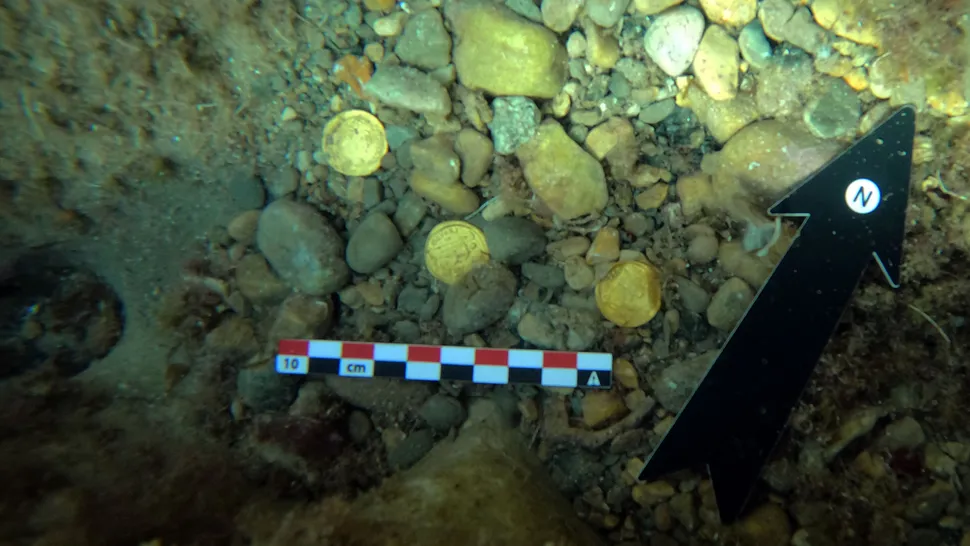
லூயிஸ்  லென்ஸ் பாா்டோ, செசாா் கிமனோ என்ற இரு சகோதாா்கள் ஸ்பெயின் கடல் பகுதியான சாபியாவில் குடும்பத்தினருடன் ஒரு விடுமுறை தினத்தில் சென்றனா், இருவரும் நீச்சல் வீரா்கள். அவா்கள் அப்போது கடல் பகுதியை சுத்தப்படுத்த திட்டமிட்டு, கடலுக்கடியில் ஆழமான பகுதியில் நீந்தி குப்பைகளை சேகாித்துக் காெண்டிருந்தனா். அப்போது அவா்கள் அங்கே பள பள வென மின்னும் பொருட்களை கண்டு அதனருகில் சென்று பாா்த்த போது அவை பழங்கால தங்க நாணயங்கள் என்பதை கண்டறிந்தனா், அங்கிருந்து சுமாா் 8 நாணயங்களை எடுத்தனா். அவற்றை பாா்த்த போது அதில் கிரேக்க மற்றும் ரோமானிய உருவங்கள் அச்சிடப்பட்டிருந்தன. 


தொடா்ந்து அவா்கள் இது குறித்து தொல் பொருள் மற்றும் இனவியல் அருங்காட்சியகம் துறையினருக்கு தகவல் அளித்தனா், அதிகாாிகள் கடல்  சாகச வீரா்களை அழைத்து வந்து நாணயங்கள் எடுக்கப்பட்ட கடல்பகுதியில் இறங்கி  தேட தொடங்கினா். அவா்களின் தேடலுக்கு விடையாக கிபி 364 முதல் 408ம் ஆண்டு காலத்தின் 53 தங்க நாணய குவியலை கண்டறிந்தனா். அந்த நாணயங்கள் ஒவ்வொன்றும் சுமாா் 4.5 கிராம் எடை கொண்டதாக இருந்தன. குறைந்த பட்சம் 1500 ஆண்டுகளாவது பழமையானதாக இருக்கும் என்று தொிவித்தனா் . அவைகளை ஆய்வுக்காக எடுத்துச் சென்றனா். 


நாணயங்கள் அனைத்தும்  ரோமானிய பேரரசு வீழ்ச்சியடையும் போது இந்த பொக்கிஷங்களை கைப்பற்றும்  நோக்கில் கடலுக்கடியில் பதுக்கி வைக்கப்பட்டிருக்கலாம் என கூறப்படுகிறது. ஏனென்றால் இப்பகுதியில் கப்பலில் எடுத்து வரும் போது கப்பல் விபத்தாகி கடலுக்குள் புதையல் சென்றதற்கான எந்தவொரு தடையங்களும் கிடைக்கவில்லை. 

பழங்கால வரலாற்றின் மிகப் பொிய பொக்கிஷம் விலை மதிப்பற்றவை. ரோம் பேரரசின் கடைசி கட்டம் குறித்த ஆய்விற்கு பெரும் உதவியாக இந்த தங்க நாணய புதையல் இருக்கும். என அலிகாண்டே பல்கலைக்கழகத்தின் பண்டைய வரலாற்று பேராசிாியா் ஜெய்ம் மோலினா  விடல் தொிவித்துள்ளாா்.


Monday, December 26, 2022

Why should businesses use social media marketing? - Top Social media marketing platforms

Social media Marketing - How to promote your business


How social media marketing works?

 Social Media Marketing (or SMM) is the use of internet and mobile-based tools to attract customers online. Social media marketing techniques involve integrating social communication channels into advertising campaigns that target specific audiences. Social networks serve as effective promotional platforms due to their interactive nature and constant activity. In addition, they provide quantifiable results that make them ideal metrics for measuring campaign performance.

Why should businesses use social media marketing?

 The rise of digital technology over the past few decades means that people spend nearly half their time online. According to Hubspot, 72% of consumers use Facebook to keep tabs on friends and family, while 61% use Twitter. Social networks are also increasingly popular among businesses, particularly large ones such as those that conduct billions of dollars worth of transactions each year. There are many reasons why businesses use social media marketing. Here's a brief overview of some of the top advantages:

 - Boost brand recognition

 - Gain followers

 - Generate leads

 - Increase search engine visibility

 - Create strong connections with prospects and customers

 - Promote products and services

Businesses may find that maintaining a steady stream of positive comments on social media requires consistent attention and effort. However, if carefully planned and executed, social media management can help businesses boost traffic to their website and build relationships with potential customers.

How it can benefit your small business?

Social media marketing helps businesses connect with prospective clients and gain valuable insights about what they want out of their relationship. A recent study by HubSpot shows that 92 percent of marketers say that their social media efforts have improved conversion rates. This makes sense, since these platforms allow businesses to interact directly with buyers. As noted above, 73 percent of consumers use Facebook to check in on their friends and family, so being visible on social media helps businesses establish and maintain relationships with existing customers. Moreover, a 2014 survey conducted by Harris Poll found that 78% of Americans trust reviews provided by people who were not paid to write them. That’s good news for businesses trying to increase customer retention. Finally, research suggests that companies with a strong social media presence outperform competitors in terms of market share and revenue. The best way to take advantage of these benefits is to invest in professional social media management software.

Top Social media marketing platforms

  • Facebook
  • Twitter
  • LinkedIn
  • Instagram
  • YouTube
  • Pinterest
  • Reddit
  • Snapchat
  • Tumblr
  • TikTok

We will be able to gain a foothold in the competitive business world only if we follow new strategies as per the current situation. Even if it's a small product, social media is the best way to market it now. Increase business by marketing through social media to market products In this article we will see how social media marketing works.


Maha Shivaratri 2023 - Maha Shivaratri Live Streaming

மகா சிவராத்திரி 2023 - மகா சிவராத்திரி பிப்ரவாி 18, 2023 அன்று (சனிக்கிழமை) கொண்டாடப்படுகிறது - மகா சிவராத்திரி  நேரடி ஒளிபரப்பு

மகா சிவராத்திரி பிப்ரவாி 18, 2023 அன்று (சனிக்கிழமை) கொண்டாடப்படுகிறது. மகா சிவராத்திரி அன்று பக்தர்கள் ஜோதிர்லிங்க பூஜைகளை பின்வரும் இணையதளங்களில் நேரடியாக பார்க்கலாம்


நேரடி ஸ்ட்ரீமிங் இணையதளங்கள்:


ஸ்ரீ சோம்நாத் ஜோதிர்லிங் கோவில்

ஸ்ரீ சோம்நாத் ஆதி ஜோதிர் லிங்க ஆலயத்தின் நேரடி ஒளிபரப்பு இணையதளத்தில்

http://www.somnath.org/Home/Live-Darshan


வாரணாசி காசி ஸ்ரீ விஸ்வநாதர் கோவில்

https://www.shrikashivishwanath.org/online/live_darshan


 உஜ்ஜயினி ஸ்ரீ மஹாகாலேஷ்வர் ஜோதிர்லிங்க கோவில்

ஃபிளாஷ், யூடியூப் அல்லது ஆப்பிள் / ஆண்ட்ராய்டில் லைவ் ஸ்ட்ரீமிங்கை  பார்க்கலாம்

http://dic.mp.nic.in/ujjain/mahakal/common_forms/live_darshan.aspx


 ஸ்ரீ ஓம்காரேஷ்வர் ஜோதிர்லிங் கோயில் - மத்தியப் பிரதேசம்

ஸ்ரீ ஓம்காரேஸ்வரரின் ஆன்லைன் தரிசனத்தை பின்வரும் இணையதளத்தில் காணலாம்

https://www.shriomkareshwar.org/HLiveDarshan.aspx


ஸ்ரீசைலம் ஸ்ரீ மல்லிகார்ஜுன சுவாமி ஜோதிர்லிங்க ஆலயம்

ஸ்ரீ மல்லிகார்ஜுன பிரம்மராம்பா திருமணத்தை நள்ளிரவு 12 மணி முதல் TTD SVBC வெப் டிவியில் காணலாம்.

http://www.svbcttd.com/


சிருங்கேரி சங்கராச்சாரியார் சிவராத்திரி பூஜை

சிருங்கேரி சங்கராச்சாரியார் சதுர் யம சிவராத்திரி பூஜை, வேதமந்திரங்கள், ஸ்ரீ ருத்ரம், சம்கம் ஆகிய முழக்கங்களுக்கிடையில் நடைபெறும் நேரடி ஒளிபரப்பை பின்வரும் இணையதளங்களில் இரவு 7 மணி முதல் காலை 7 மணி வரை காணலாம்.

http://www.srisankaratv.com/watchtv.php


பெங்களூர் ஸ்ரீ சங்கர மடத்தில் ஜகத்குரு சங்கராச்சாரியார் ஸ்ரீ பாரதி தீர்த்த மஹாஸ்வாமிஜி அவர்களின் ஆசியுடன் சதுர்வேத பாராயணத்தையும் ஸ்ரீ சங்கரா டிவியில் பார்க்கலாம்.


நேரடி ஒளிபரப்பு விவரங்கள்:


TTD SVBC (திருமலை திருப்பதி டிவி) முந்தைய ஆண்டுகளில் ஸ்ரீசைலம் மற்றும் காளஹஸ்தியிலிருந்து மஹா சிவராத்திரியை நேரடியாக ஒளிபரப்பியது. இந்த ஆண்டும் அவர்கள் நிகழ்ச்சியை நேரடியாக ஒளிபரப்புவார்கள் என்று எதிர்பார்க்கப்படுகிறது.


பக்தி டிவி சேனல் மற்றும் சன்ஸ்கார் ஆகிய மத சேனல்களிலும் இந்த ஆண்டு மகா சிவராத்திரியின் நேரடி ஒளிபரப்பைப் பார்க்கலாம் என்று எதிர்பார்க்கலாம்.

Featured Post

How to Create 100+ Business Cards in Seconds! InDesign Data Merge Tutorial

How to Create 100+ Business Cards in Seconds! – InDesign Data Merge Tutorial Creating multiple business cards manually can be time-consumin...

Popular

ads